T
The Atlantic
2d
Cuban Family Shaped by History They Didn't Witness
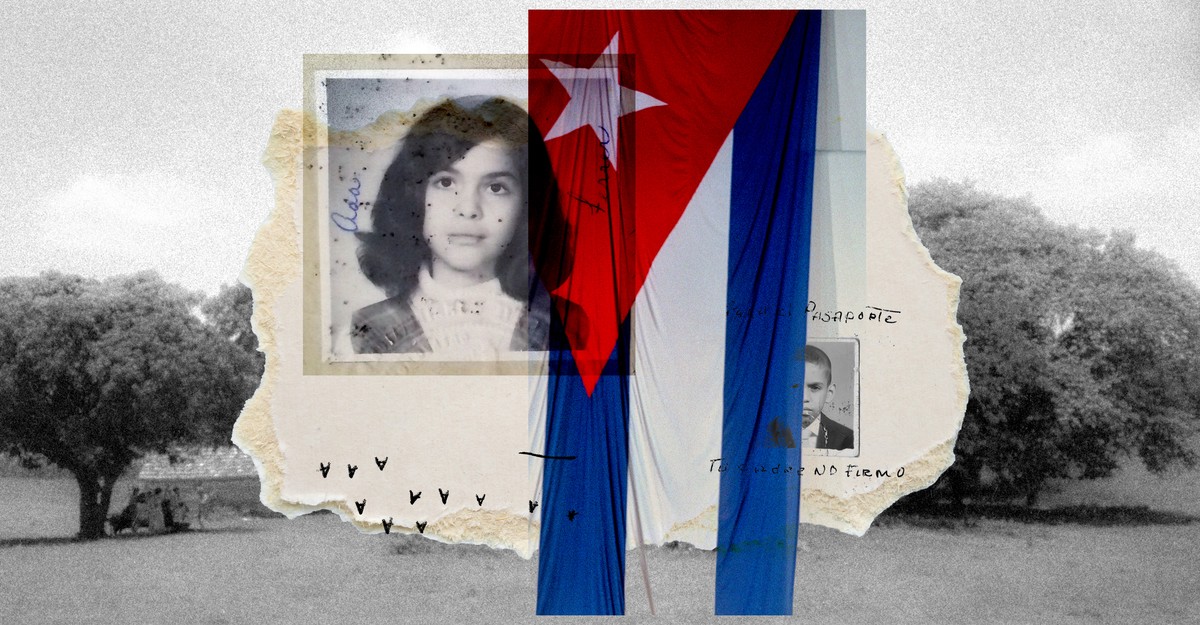
Decades ago, Ada Ferrer learned a lesson about what she’d later call the “misencounter between the history I was reading and the history of the people in my life.” During the late 1980s, while pursuing a master’s degree in history at the University of Texas, Ferrer asked her parents to share their memories of events covered in her coursework. Did Adela and Ramón, who had emigrated from Cuba in the early ’60s, remember the nation’s constitutional convention of 1940? They did not. Had they attended Fidel Castro’s massive rallies during the 1959 Cuban Revolution? They had not. Castro’s agrarian reforms hadn’t touched Ramón’s family farm, which was too small to be confiscated; neither parent watched the leader’s hourslong speeches, because they didn’t have a television.
Yet Ferrer’s mother and father were profoundly shaped by the history they hadn’t witnessed directly. So was Ferrer, who has devoted her life to studying the country where, as she writes, “I was born but could not remember.” Today, she is a professor of history at Princeton and the winner of a 2022 Pulitzer Prize for Cuba: An American History, which documents five centuries of evolution and revolution. Her new book, Keeper of My Kin: Memoir of an Immigrant Daughter, is a far more intimate story. Recounting her family’s experiences after the revolution, it is about “utterly ordinary people,” she writes, “always on the margins, absent less as a matter of ideology than from an unconscious sense that history did not belong to them.”
When you buy a book using a link on this page, we receive a commission. Thank you for supporting The Atlantic.