Those questions do not have clean answers. But the instinct underlying the Fourth Amendment remains surprisingly stable across centuries.
Supreme Court Weighs Privacy in Geofence Warrants
Justices consider constitutionality of police using location data in Chatrie v. US.
Seven years ago, police in Midlothian, Virginia, sought to identify a bank robber by asking Google to search the records of more than 500 million people who used the company's "location history" featu...
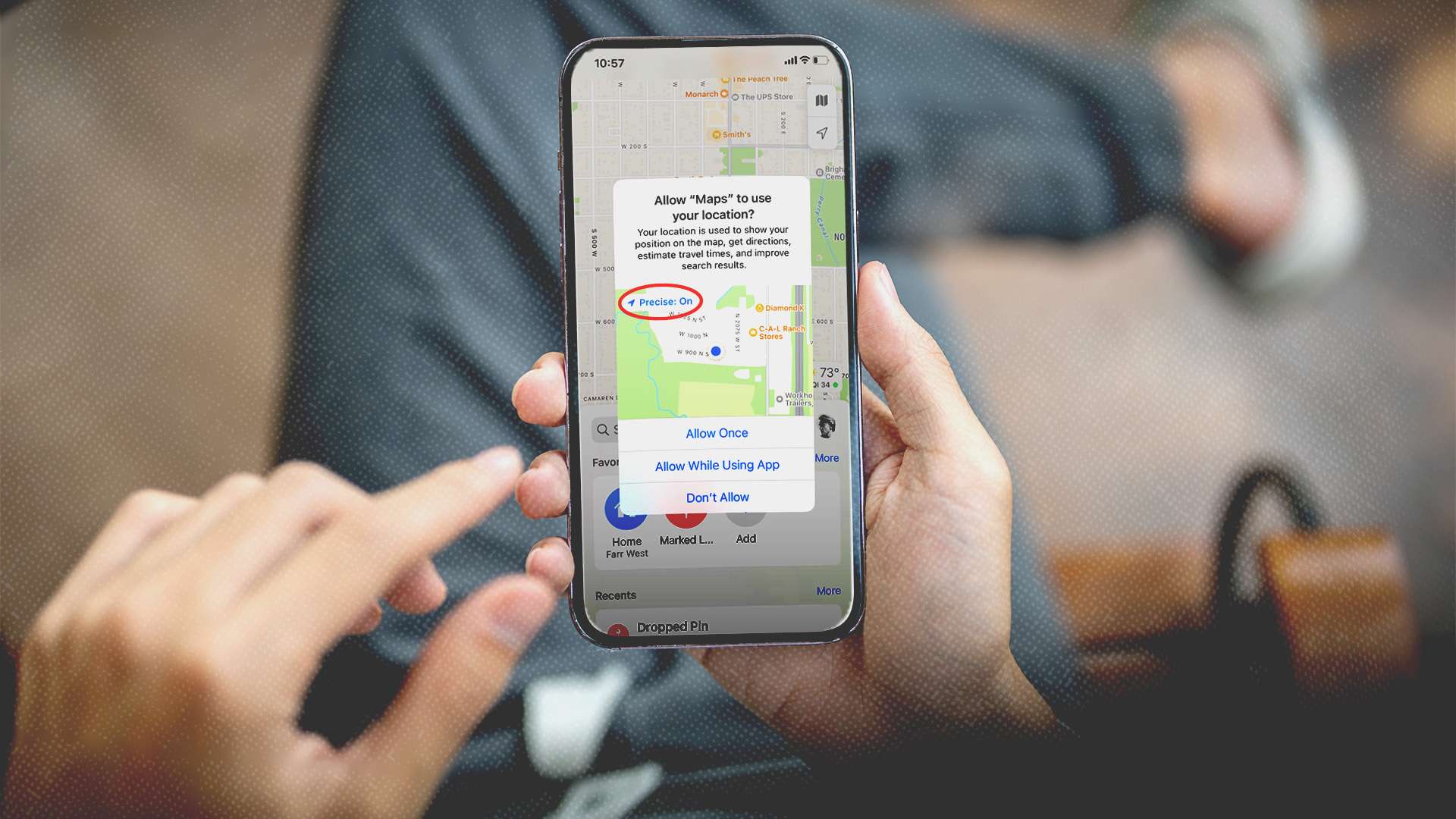
The justices were concerned that the Trump administration is asking for too much in a major police surveillance case. If I’d only listened to the first half of the Supreme Court’s Monday argument in...

The Supreme Court held oral argument this morning in Chatrie v. United States, the geofence warrant case. I live-tweeted the two-hour argument over at both X and Bluesky, and click the links there to...

The Supreme Court will consider the constitutionality of a key law enforcement tool that has grown in significance in recent years alongside the growth of location-enabled devices: geofence warrants....
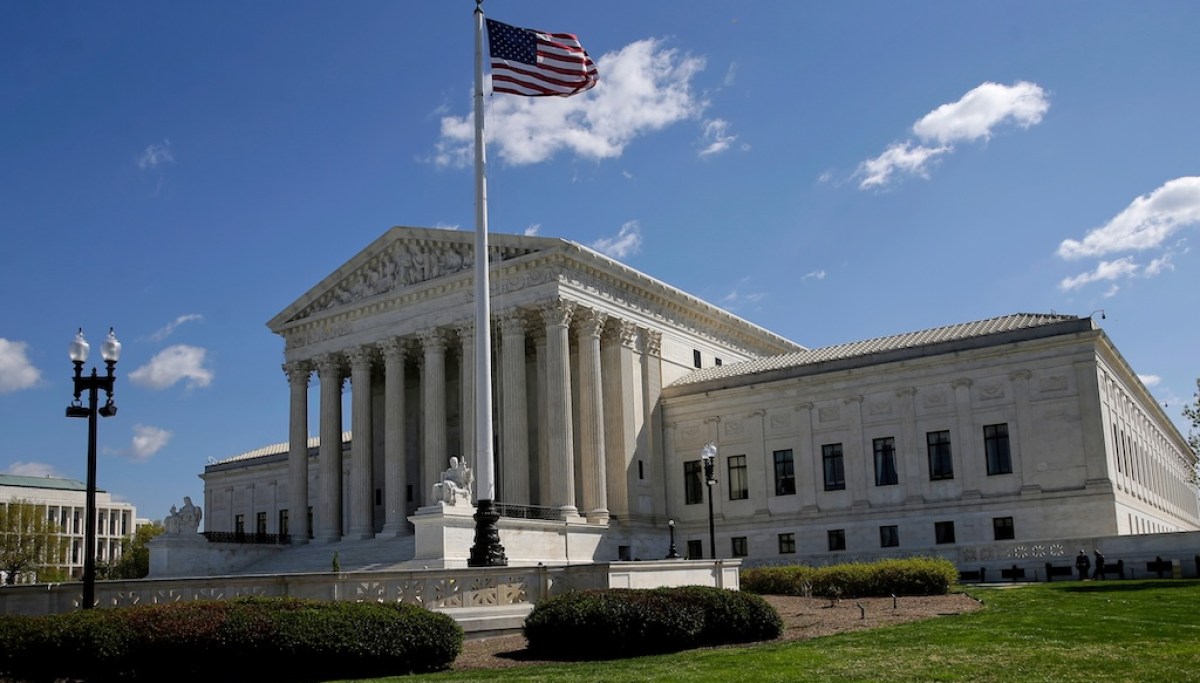
Mostly law professors | Sometimes contrarian | Often libertarian | Always independent With the Supreme Court set to hear argument in the geofence warrant case, Chatrie v. United States, on Monday, I...
I have been posting on Chatrie v. United States, the Supreme Court's geofencing case to be argued on Monday. In this post, I wanted to talk a bit on why the search question is particularly hard. The...