T
The Atlantic
14d
Graves Retires After Final Met Performance in 'Porgy and Bess'
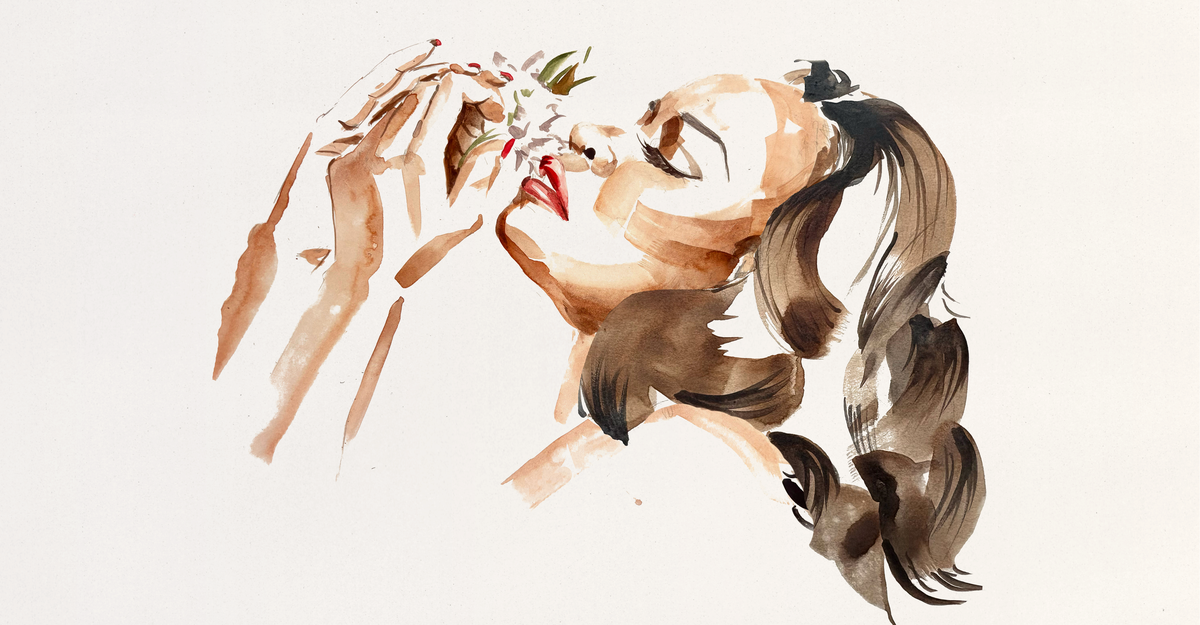
When the curtain of New York’s Metropolitan Opera House rose for the closing matinee of Porgy and Bess in January, the boos that typically accompany the entrance of the show’s villains were a mere murmur. The nearly 4,000 people who packed the space to capacity—175 of them standing-room ticket holders who remained on their feet for the opera’s three-and-a-half-hour run time—had come to cheer.
Thirty-one years before, Denyce Graves had made her Met debut in the title role of Georges Bizet’s Carmen. The mezzo-soprano had been a revelation, her full, rich voice and lusty physicality defining the role for a generation. Graves was a diva in the original, operatic sense: a world-renowned performer who made journalists wilt, and whose name alone was enough to draw crowds. But here she was, playing a supporting character in Porgy and Bess. Graves was singing the part of Maria, the matriarch of the 1920s working-class Black community of Catfish Row, the Lowcountry settlement where the show takes place. It was set to be her final performance ever, a return to the opera that had launched her professional career in 1985.
Explore the June 2026 Issue
Check out more from this issue and find your next story to read.
After intermission, but before the opera resumed, the entire company crowded onto the stage, and the house rose to its feet. Peter Gelb, the company’s general manager, presented Graves with a plaque recognizing her career. It would be installed in the Met’s List Hall, where aspiring artists audition. “My heart is unrehearsed at having to hold so much love,” Graves said, tearing up and taking a few beats to collect herself. “It has never been asked to hold this capacity of love before.”
It was a rare moment of harmony in a year—for opera as for much else—that had been defined by conflict. Just weeks after his second inauguration, President Trump had fired members of the board of trustees at the Kennedy Center—the longtime home of the Washington National Opera, the other major opera company that Graves had performed with for decades. He handpicked the artists recognized for the Kennedy Center Honors, banned drag queens from performing there, and affixed his name to the building’s facade. He successfully pushed to dismantle the Corporation for Public Broadcasting, which for decades had helped opera find audiences on television and radio. After the WNO voted to leave the Kennedy Center early this January, and after several acts refused to play the venue in protest of Trump’s changes, he announced that the building would be closed for “renovations” for two years.