T
The Atlantic
2d
New York City Launches $210M Initiative for Better Street Lighting
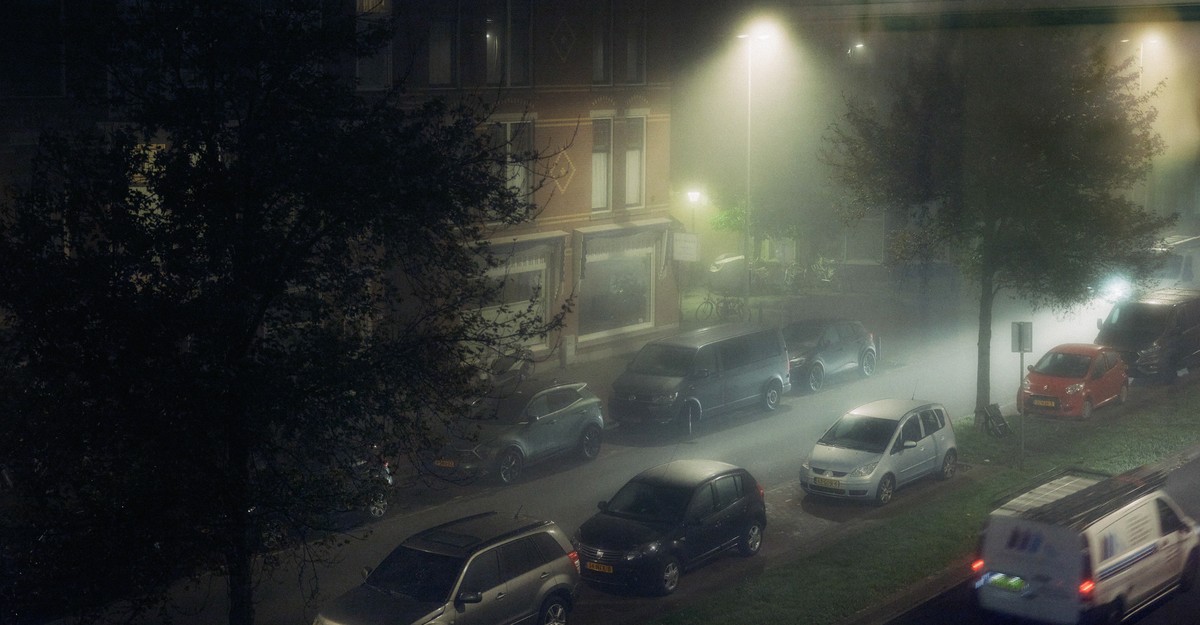
In the summer of 2014, the new mayor of New York City had a problem. Bill de Blasio had campaigned against aggressive policing, particularly the city’s controversial policy of briefly detaining people and patting them down for weapons. Stop-and-frisk, which a federal court had ruled was discriminatory as practiced, had been touted as a form of crime prevention. Some New Yorkers feared that the progressive mayor, by dismissing the tactics of local police, would invite a rise in violence and disorder in the city. As if on cue, the warm months brought a surge in shootings in the city’s public-housing developments.
As the mayor’s criminal-justice adviser, I met with de Blasio and the police commissioner in the mayor’s corner office in city hall every week. We needed a plan to address the spate of shootings that didn’t rely on brute force. We also wanted a strategy for discouraging problems such as vandalism, dirty streets, and conspicuous drug use—low-level disorder that, if left unchecked, can create the conditions for more serious crime. And we wanted all of this without clogging the courts and jails.
What about better lighting in the dark areas where crime tended to concentrate? This idea had a certain appeal. The city’s Depression-era Mayor Fiorello La Guardia once insisted that “there is no Republican or Democratic way to pick up the garbage.” Good street lighting also doesn’t take sides.
That summer, de Blasio launched a $210 million initiative that delivered brighter exterior lighting and more than 150 temporary light towers across 15 high-crime public-housing developments. This was part of an effort to tamp down violence through a range of civic services that included keeping community centers open late for the first time in 30 years. The police continued to play an important role, but instead of making broadscale arrests for low-level crimes, they started an approach that they later dubbed “precision policing,” which involved targeting the few people who were driving violence instead of their scores of hangers-on. Officers were also encouraged to attend community meetings to help address local concerns about safety.