N
nautil.us
14d
Researchers Propose Adaptive Robots for Human Collaboration
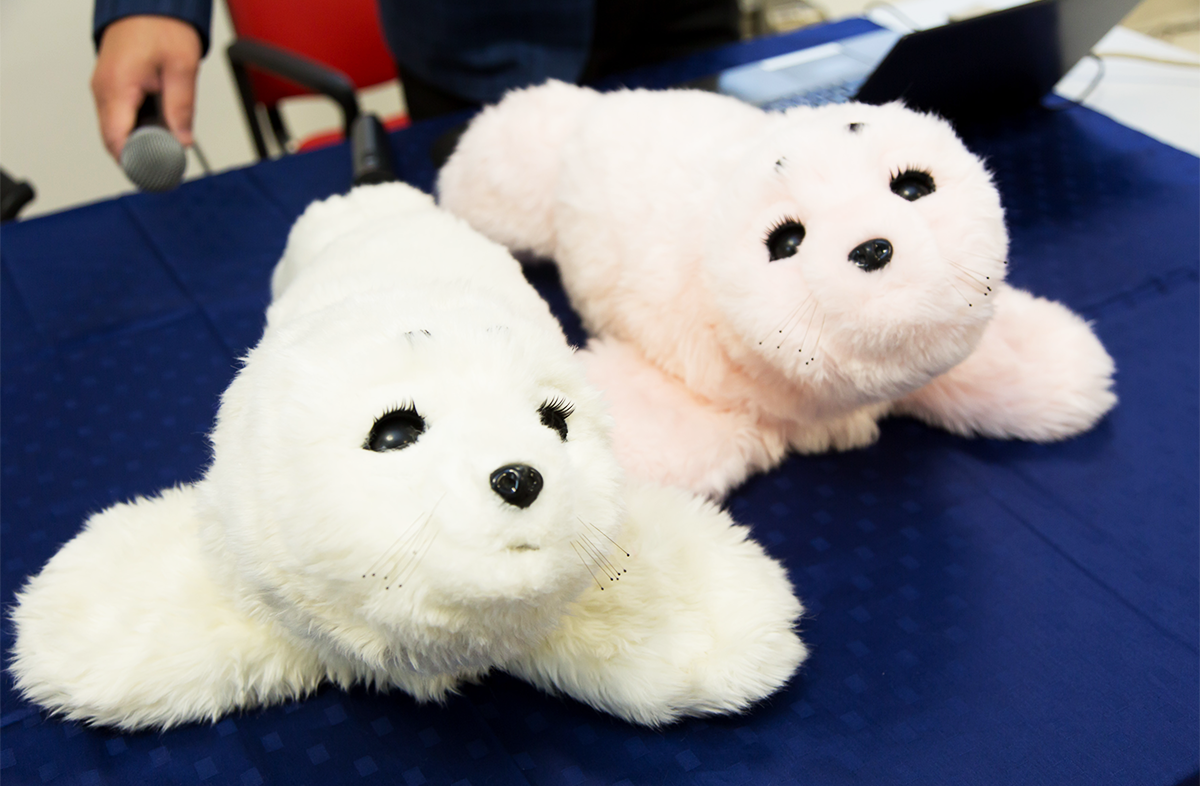
A conversation with a robot researcher about a possible future where robots are like teammates in hospitals, factories, and homes
9:00 AM CDT on May 7, 2026
Share on X (formerly Twitter)
Paro the seal has large dark eyes, long whiskers, and soft antibacterial fur. It’s a robot, but for the elderly dementia patients who use it, it’s more like a cuddly, attentive nurse. Paro can hold a basic conversation using scripted responses, detect emotional tone through voice and facial recognition in the moment, remind users to drink water and take medication, and report worrisome changes to human caregivers.
But what if Paro could also build a model of its companions over time, learning that, for example, Sally, who is 96, gets anxious in the evenings, that she hasn’t mentioned her daughter in two weeks, and that she responds better to jokes than to reassurance? What if Paro could learn that Sally resists reminders unless they’re delivered after a favorite song? In other words, what if the robot could actively collaborate with the patient?
This is what a team of researchers recently proposed in the journal Science Robotics. Robots should be designed to learn with us, they argue, in our hospitals, homes, and warehouses, adapting to human partners and even other robots over time. They should be able to adjust not only to new partners, but also to new roles and cultural environments. They should be, basically, a bit more human-like.
You've run out of free articles. Read unlimited, ad-free stories (including this one) by becoming a Member.